
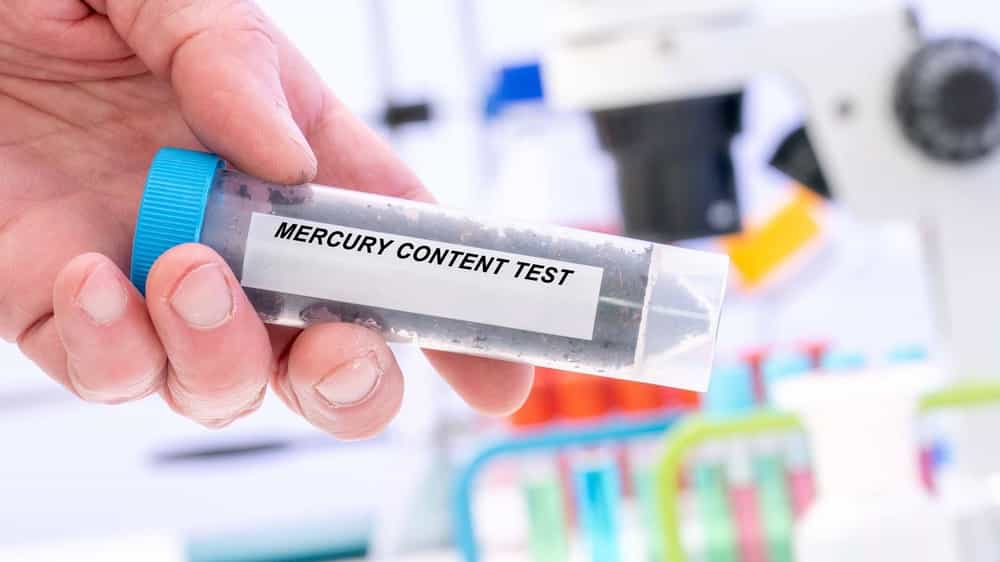
Mercury, also known as quicksilver, is a chemical element that is naturally occurring and is found in rock and coal deposits within the earth’s crust. Historically, it has been used in fluorescent lights, thermometers, electrical switches, batteries and more. It was used more widely before the harmful effects of mercury pollution became well known, but even today, many products still surprisingly contain mercury, which makes understanding the impact of this hazardous element on our health and environment imperative.
Mercury pollution comes from various sources, but often it’s from human activities such as waste incineration, burning coal (and other fossil fuels) and other industrial processes. Mercury pollution is not an isolated problem because the element can travel many miles through the atmosphere, eventually settling into soil or water, where it can then be inducted into the food chain. This makes it a global issue that needs to be addressed by every nation.
Sources and Causes of Mercury Pollution
Major sources of mercury pollution are coal-fired power plants, waste incinerators and the production of metal and cement that releases the mercury into the atmosphere. Coal contains mercury naturally, so when it is burned, mercury vapor is released without proper mercury removal systems in place.
A primary cause of mercury pollution in some areas of the globe is artisanal gold mining (ASGM). This process is used to create mercury-gold amalgam, which is a mixture that binds gold with the mercury particles. Miners then heat this mixture to vaporize the mercury, leaving only the pure gold behind. Unfortunately, in most cases, this mercury vapor is sent directly into the atmosphere where it can then result in serious health hazards, as well as environmental mercury pollution. ASGM is currently the fastest-growing source of mercury pollution globally with over 70 countries and millions of miners participating in this practice.
Mercury in Products and Industry
Mercury is still found in many products and industries. Older electronics, like some LCD screens contain mercury, fluorescent light bulbs and even some cosmetic skin lightening creams contain mercury. Dental amalgam fillings are also a common source.
E-waste is a problem because it releases the mercury within electronics and other products into the air, water, and solids through improper recycling and landfills. Older appliances, laptops, monitors and more end up in landfills and when these devices break down, they leak and seep into the soil, releasing mercury, which can contaminate drinking water and even negatively impact aquatic ecosystems. Even the crushing or compacting of this type of waste can release toxins as the mercury is then released as vapor, which pollutes the air.
Impact of Mercury on Health
Mercury exposure can have a lasting and devastating impact on health. Symptoms of mercury exposure or poisoning include impaired coordination, mood swings, memory loss and tremors. In higher amounts, even short-term exposure can cause skin rashes and respiratory distress, with long-term exposure causing acrodynia (mercury allergy) and kidney damage.
Young children and fetuses are particularly vulnerable to mercury. In fact, mercury exposure can cause life-impacting developmental problems in unborn babies, leading to issues with cognitive thinking, brain damage and difficulty with language and memory, as well as motor and sensory problems. Therefore, an immensely vulnerable population is pregnant women and their unborn children, along with small children.
Following is a breakdown of typical symptoms associated with acute and chronic mercury exposure.
Acute Exposure at High Levels
Chronic Exposure (Lower Levels)
Mercury in the Environment
In most cases, mercury sources in the environment stem from atmospheric deposition into aquatic ecosystems along with runoff from terrestrial sources. It transforms from the general element to the organic form, methylmercury, when going through this process. Incidentally, this is the most toxic form of mercury. Aquatic life is then exposed to the devastating effects of this harmful neurotoxin through bioaccumulation and biomagnification.
Bioaccumulation is when a pollutant, in this case mercury, builds up within a single organism, a fish for example, over its lifetime. Biomagnification is the process when a predator from up the food chain consumes this contaminated prey, and it is then moved into the predator’s body and on and on it goes. Methylmercury binds to tissues and is eliminated very slowly, which adds to the chance of biomagnification. Trophic level or highly concentrated mercury increases at the bottom of the food system (such as plankton), then is consumed by predatory fish, birds and marine animals.
This impacts wildlife by reducing fertility and increasing mortality and also makes them more prone to immune system dysfunction, meaning they are more vulnerable to disease. This is then passed to humans when they consume contaminated sources, like fish, which is a primary source of protein for many people.
The prevalence of mercy pollution in various aspects of life means that all populations should be aware of its presence and its danger. Thankfully, there are now innovative mercury analyzers that can reveal the presence of this harmful element and toxin in an environment. Knowing how to choose the right mercury analyzer helps ensure accurate detection, reliable results and better protection against exposure.
Global Efforts and Regulations
The Minamata Convention on Mercury includes regulation of emissions from coal-fired power plants and also aims at reducing the amount or even phasing out altogether the use of mercury in products like cosmetics and batteries, along with restricting the use of mercury within manufacturing processes and controlling air emissions. This, along with efforts to reduce its use in small-scale and artisan gold mining and controlling the trade of mercury, is part of the goal of this agreement.
This agreement was signed by the United States on November 6, 2013. It was named after the Japanese city of Minamata, which has experienced decades of mercury poisoning and industrial wastewater from a chemical factory in Minamata Bay. The wastewater contained the aforementioned methylmercury, which bioaccumulated into shellfish and fish within the bay. Local residents then consumed the seafood and became very sick. Some of them remain severely disabled or even died.
The convention was adopted by delegates from over 140 countries on January 19, 2013. The overall effectiveness of the Minamata Convention on Mercury is still not fully developed. The success of the treaty hinges on the full implementation of the changes by all countries involved and this is a slow process and there are challenges to rectify, like phasing out mercury and a lack of comprehensive global monitoring.
Mercury Remediation and Detoxification
Mercury remediation is a more formal way of explaining the physical process of cleaning up contaminated environments that have become polluted with mercury. It can include traditional methods, like removing the source or adding ventilation for indoor spills. It might also involve using specialized agents and a mercury-specific vacuum or other methods for smaller spills or immobilization through the use of powdered sulfur or sulfide compounds that absorb mercury after a spill, which can help reduce the toxicity and stabilize the environment.
Bioremediation is the process of cleaning up mercury pollution with living organisms, such as mercury-resistant fungi and bacteria that can be employed to break down mercury into a less toxic form. Plants are also used in a process called phytoremediation. This works by allowing plants to absorb and store mercury from soil and water. Chemical amendments are another option.
Detoxification is the process of removing mercury from the human body. There are a couple of methods for this, such as chelation therapy. This is used when mercury blood levels are very high. A chelating agent works by binding to the mercury within the body and then helping it exit the body. It is either given in an injection or pill form. This is a method of mercury detoxification that is overseen by medical doctors and should not be attempted without medical supervision. Dermal decontamination is applicable for skin exposure to mercury. This uses selenium sulfide-containing shampoo to dermally decontaminate the skin.
Key Takeaways
Suffice it to say that even though the world has come a long way from the mad hatter days of centuries past, there is considerably more work to be done to contain and eliminate mercury pollution.
While steps have been taken to reduce sources of mercury pollution in waterways and aquatic ecosystems, the problem is far from eliminated. That is why common culprits of pollutants like coal burning and artisanal gold mining need to be regulated and overseen. It’s also important to implement regular testing in environments where mercury exposure might be present. It’s imperative to increase public awareness overall as well as enact further policy changes to reduce the presence of mercury pollution globally and a need for even more ongoing research and international cooperation on the matter in order to mitigate the effects of mercury pollution.
Individual responsibility is also important, such as learning how to properly dispose of mercury-containing products and avoiding overusing electricity from coal-fired power plants, taking on the charge of reducing mercury personally. This, along with a comprehensive approach, will serve as the best way to reduce mercury pollution overall on a global scale. After all, because of the nature of mercury pollution, it will take a united, global approach with personal responsibility to rectify it.
